
Summary
Highlights
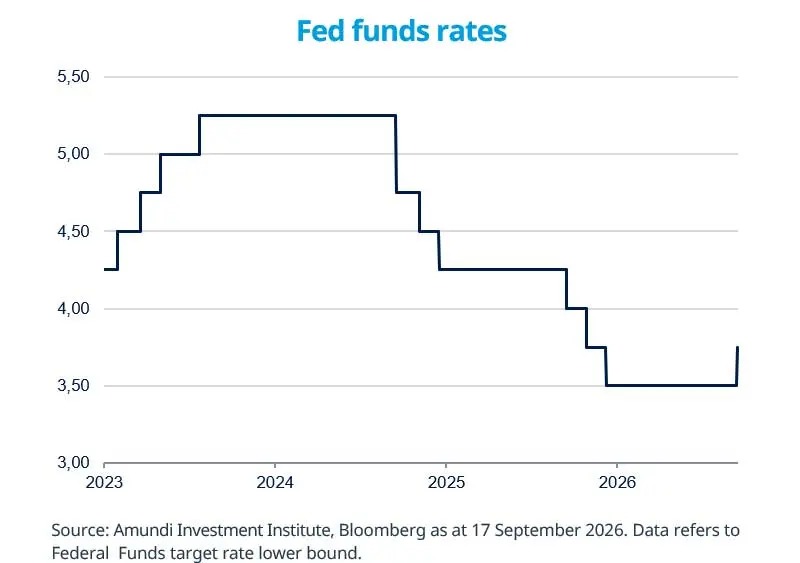
The Fed raised rates for the first time since 2023, bringing them into the 3.75% - 4% range. The decision was unanimous.
In the statement, the economy was described as solid, with domestic demand resilient despite elevated uncertainty related to geopolitics, while inflation remains elevated.
US bonds saw a divergence, with shorter-dated yields rising while longer-dated yields fell, supported by a retreat in oil.
In this edition
The FOMC raised rates by 0.25%, describing the move as supportive of a timelier return of inflation to target. The Fed’s rate projections were revised higher, signalling one further hike by the end of 2026, followed by a hold in 2027. In a brief press conference, Warsh reiterated that price stability remains the Fed’s priority. He also noted that, given the macro backdrop, it is difficult for the Fed to see financial conditions as restrictive, adding that some accommodation has been removed. Markets reacted by lifting rate expectations and pricing in four additional hikes over the next year. The gap between the Fed’s and the market’s expectations reflects concern that inflationary pressure may persist, given continued tensions in energy prices and robust domestic demand. In our view, inflation is unlikely to ease enough in the near term, which supports the case for the Fed to hike again in the coming months, although the pace and scale of tightening will depend on inflation trends.
Key dates
Eurozone consumer confidence, US ADP Weekly Employment, SK consumer confidence |
India PMI, Eurozone PMI, United Kingdom PMI, US PMI |
US durable goods orders, University of Michigan consumer confidence |
Read more